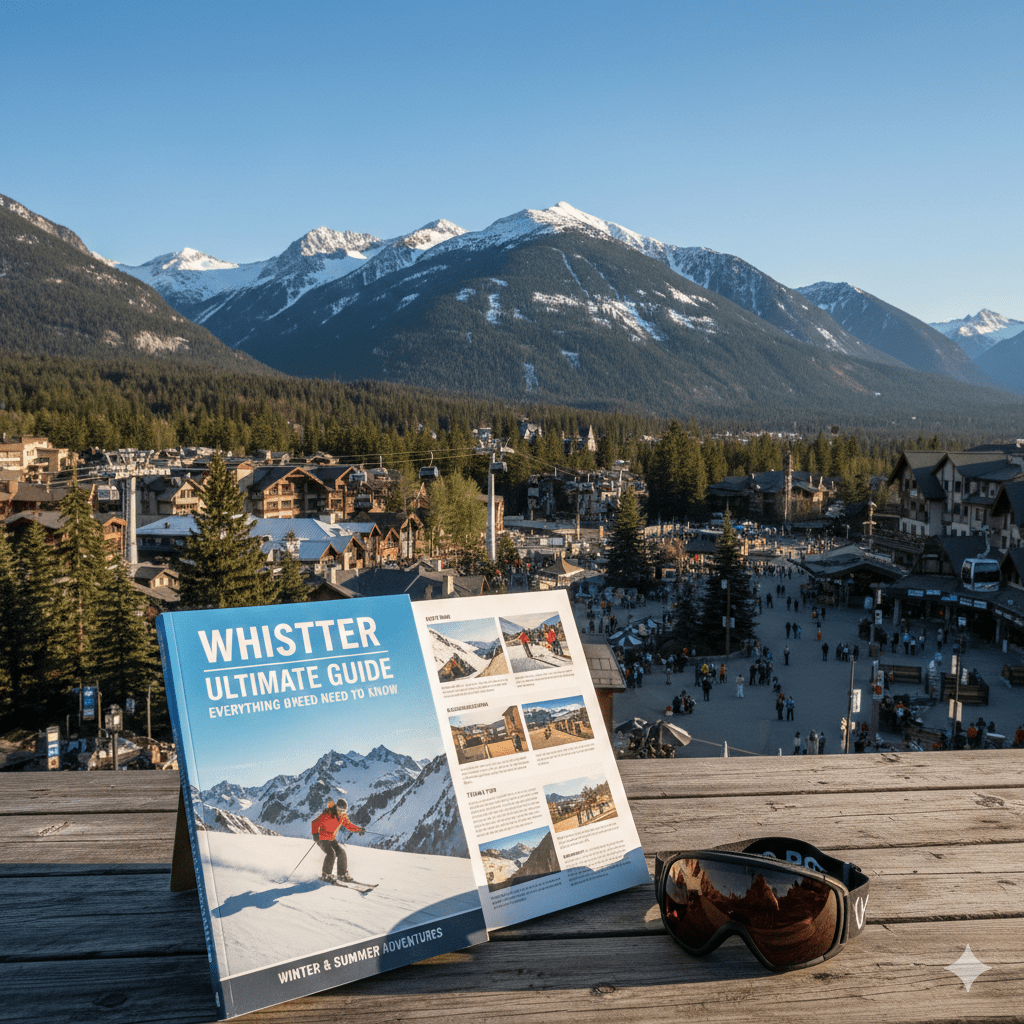


The Ultimate Guide to Whistler: Everything You Need to Know
Whistler, British Columbia is a world-renowned mountain resort famous for the massive Whistler Blackcomb ski area, host of the 2010 Winter Olympics. It offers a premier year-round destination for adventure, combining epic skiing and snowboarding in winter with world-class mountain biking and hiking in the summer, all centered around a vibrant, pedestrian-only village.
🔑 Key Takeaways
- Whistler is a top-tier, four-season resort, dominated by the Whistler Blackcomb mountains for skiing in winter and the Whistler Mountain Bike Park in summer.
- The pedestrian-only Whistler Village serves as the central hub, offering extensive lodging, dining, and shopping just steps from the main gondolas.
- Planning is essential for a Whistler trip; book accommodations, lift tickets, and popular activities well in advance, especially during peak holiday periods.
Table of Contents
-
-
- The Ultimate Guide to Whistler: Everything You Need to Know
- What is Whistler Known For?
- Getting to Whistler
- Driving the Sea-to-Sky Highway
- Airport Shuttles and Buses
- Flying to Whistler
- Whistler’s Two Main Seasons: Winter vs. Summer
- Whistler in Winter
- Whistler in Summer
- Season Comparison
- Exploring Whistler Blackcomb Mountain
- Skiing and Snowboarding
- Mountain Biking (Bike Park)
- Top Things to Do in Whistler (Beyond the Slopes)
- Where to Stay in Whistler
- Whistler Village & Village North
- Upper Village (Blackcomb Base)
- Whistler Creekside
- Whistler Dining & Nightlife Guide
- Fine Dining
- Casual Eats & Pubs
- Après-Ski and Nightlife
-
- Whistler Travel FAQ
What is Whistler Known For?
Whistler is globally known for Whistler Blackcomb, one of North America’s largest and most celebrated ski resorts. It earned worldwide fame for its vast terrain, the record-breaking Peak 2 Peak Gondola connecting two mountains, and its pivotal role as a host venue for the 2010 Winter Olympics.
Beyond its legendary slopes, this resort municipality is a magnet for outdoor adventure and breathtaking natural beauty. It masterfully blends rugged mountain wilderness with sophisticated resort luxury.
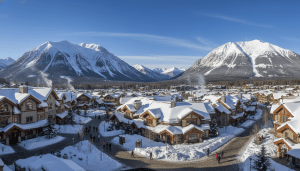
The town’s heart is the charming, walkable Whistler Village. This central hub is packed with accommodations, restaurants, and shops, creating an energetic atmosphere year-round.
Getting to Whistler
Getting to Whistler primarily involves a scenic 2-hour journey from Vancouver along the Sea-to-Sky Highway (Highway 99). The most popular methods are driving a personal car, taking a scheduled airport shuttle bus directly from YVR, or arranging for a private transfer service for added convenience.
The drive itself is a major part of the experience, offering spectacular views of Howe Sound’s coastline before ascending into the Coast Mountains.
Driving the Sea-to-Sky Highway
The drive on the Sea-to-Sky Highway is consistently ranked among the most beautiful road trips in the world.
A critical point to remember is that winter tires (or M+S tires) are legally mandatory on Highway 99 from October 1st to March 31st. Weather can change rapidly, so always check road conditions before you depart.
Airport Shuttles and Buses
Several companies provide reliable coach service from Vancouver International Airport (YVR) and downtown Vancouver directly to Whistler.
Operators like Skylynx offer frequent departures and can drop you right at your hotel’s doorstep. In my experience, booking this in advance is non-negotiable during peak season to secure your spot.
💡 Pro Tip
Book your airport shuttle at least a month in advance for holiday weekends or peak ski season. Prices are often tiered and increase closer to the date, plus you guarantee a seat on the most convenient departure time after your flight lands.
Flying to Whistler
For a truly memorable arrival during the summer months (typically May to September), you can take a floatplane from downtown Vancouver. This service lands on Green Lake and provides unbelievable aerial views of the glaciers and peaks.
Combine your trip with Rockies train adventures for a full Canadian experience.
Book Your Whistler Adventure
Ready for the slopes? Check current lift ticket prices and availability across Whistler Blackcomb’s 8,100 acres.
Driving up? Always verify live highway updates before hitting the Sea-to-Sky from Vancouver.
Flying into YVR? Reserve your airport transfer with Skylynx—they drop right at your hotel.
Summer biking plans? See all lift-accessed trail details for the Mountain Bike Park.
Nordic skiing fans head to Whistler Olympic Park for world-class groomed trails.
Find every activity at the complete Whistler events page.
Navigate with official shuttle schedules and village maps.
Whistler’s Two Main Seasons: Winter vs. Summer
Whistler’s two distinct seasons offer completely different experiences. Winter (November-April) is a world-class ski and snowboard paradise defined by deep snow and a legendary après-ski scene. Summer (June-September) transforms the resort into a lush playground for mountain biking, alpine hiking, and lakeside relaxation under long, sunny days.
Your choice of season will fundamentally shape your vacation. While the mountains are always the star, the activities and village atmosphere change dramatically.
Whistler summer playbook hiking biking adventures.
The winter season is Whistler’s claim to fame. From late November to April, the resort is a vibrant hub of snow sports.
* Skiing & Snowboarding: Access over 8,100 acres of terrain, 16 alpine bowls, and 200+ marked runs.
* Nordic Skiing: Glide on groomed trails at Lost Lake Park or the world-class Whistler Olympic Park.
* Après-Ski: The village culture comes alive in the afternoons with an iconic après scene at the mountain bases.
* Other Activities: Popular options include snowshoeing, ice skating, sleigh rides, and snowmobiling.
Planning your ski days? Compare Whistler ski passes to find the best value.
Whistler in Summer
From June to September, Whistler is a haven for warm-weather enthusiasts. The energy is just as high, but the focus shifts to trails and lakes.
* Mountain Biking: The Whistler Mountain Bike Park is the undisputed global benchmark for lift-accessed riding.
* Hiking: Hundreds of trails range from gentle valley walks to multi-day alpine treks.
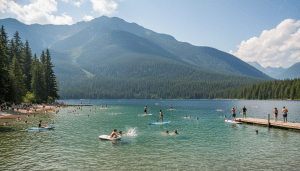
* Lake Activities: Swim, paddleboard, or kayak at one of Whistler’s five beautiful lakes.
* Golfing: Play a round at one of four championship courses designed by legends like Jack Nicklaus and Arnold Palmer.
Season Comparison
Primary Activities
- Whistler Winter: Skiing, Snowboarding, Après-Ski
- Whistler Summer: Mountain Biking, Hiking, Lake Activities
Typical Weather
- Whistler Winter: Snowy and cold (-5°C to -10°C avg)
- Whistler Summer: Sunny and warm (20°C to 27°C avg)
Crowd Levels
- Whistler Winter: Very high, especially holidays
- Whistler Summer: High, especially on weekends
Key Attraction
- Whistler Winter: Whistler Blackcomb Ski Resort
- Whistler Summer: Whistler Mountain Bike Park
The $299 Lift Ticket Reality Check
Walk-up lift tickets now breach $299 CAD ($220 USD) during peak season. If you miss the Epic Pass deadline (early Dec), buy a ‘Day Pass’ online at least 7 days in advance for a ~15% cut. Best hack: For Canadians/WA residents, the 5-Day Edge Card drops per-day cost to ~$105 CAD. You must buy this before Thanksgiving. Buying at the window is financial negligence.
Exploring Whistler Blackcomb Mountain
Whistler Blackcomb is the core of the resort, comprised of two colossal, side-by-side mountains linked by the PEAK 2 PEAK Gondola. It offers over 8,100 skiable acres, 200+ runs, 16 alpine bowls, and three glaciers, creating an unrivaled playground for skiers, snowboarders, and mountain bikers.
The sheer scale of the terrain is immense, but it is intelligently designed with zones for every ability level, from gentle learning areas to extreme, expert-only chutes.
🛡️ Expert’s Take
“The magic of Whistler Blackcomb isn’t just its size; it’s the variety. You can ski a high alpine glacier bowl in the morning and be weaving through perfectly spaced trees in the afternoon. The PEAK 2 PEAK Gondola didn’t just connect two mountains; it created a single, seamless experience of unparalleled scale in North America.”
Skiing and Snowboarding
In winter, the two mountains offer distinct personalities. Whistler Mountain is known for its long, cruising groomers and access to the iconic Harmony and Symphony bowls. Blackcomb Mountain generally offers steeper, more sustained pitches and access to the Horstman and Blackcomb Glaciers.
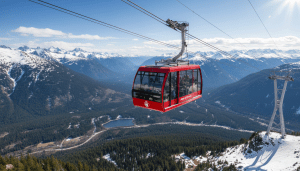
The PEAK 2 PEAK Gondola is a mandatory experience. This engineering marvel holds world records for the longest free span and highest point above the ground, offering breathtaking 360-degree views as it crosses the 4.4-kilometre valley.
Mountain Biking (Bike Park)
When the snow recedes, Whistler Blackcomb becomes the world’s most famous lift-serviced mountain bike park. Riders from every corner of the globe descend upon the legendary trails, from the flowy beginner runs in the Fitzsimmons Zone to the white-knuckle technical descents from the “Top of the World.”
Meadow Park Sports Centre: The Rainy Day Savior
Shoulder season in Whistler guarantees one thing: unpredictable weather. When the rain sets in for 48 hours straight, hiking is miserable with toddlers. Enter Meadow Park Sports Centre (MPSC), the ultimate local hack for saving a family vacation. Located just a short bus ride or drive north of the village, it offers an indoor pool with a lazy river, a slide, and a tots’ pool, plus an indoor skating rink.
Unlike the hotel pools which might be chilly or crowded, MPSC is affordable and massive. It’s where the locals take their kids to burn off energy. For less than the price of a single cocktail in the village, your whole family can swim and skate for the afternoon. It converts a ‘hotel room cabin fever’ day into a highlight of the trip.
Tip: MPSC has an indoor lazy river that rivals high-end water parks—bring your own lock for the lockers!
Top Things to Do in Whistler (Beyond the Slopes)
Beyond the primary mountain sports, the top things to do in Whistler include riding the PEAK 2 PEAK Gondola for sightseeing, relaxing at the Scandinave Spa, and exploring the vibrant, art-filled village. For thrill-seekers, activities like ziplining through the forest and bungee jumping over a glacial river are popular choices.
Your vacation can be as adrenaline-fueled or as relaxed as you desire.
* Scandinave Spa Whistler: An outdoor sanctuary of silence focused on hydrotherapy cycles of hot tubs, cold plunges, and relaxation areas set in a serene forest.
* Ziplining: Soar over Fitzsimmons Creek and through old-growth forests on a guided zipline tour.
* Audain Art Museum: An architectural masterpiece housing a stunning collection of British Columbia art.
* Whistler Sliding Centre: In winter, brave the passenger bobsleigh or skeleton on the official 2010 Olympic track for a once-in-a-lifetime thrill.
* Lake Hopping: In summer, spend a day at Lost Lake, Alta Lake, or Rainbow Park for swimming, sunbathing, and paddleboarding.
Families love these best Canadian family passes including Whistler perks.
Where to Stay in Whistler
Where to stay in Whistler is determined by your budget and desired experience. Whistler Village is the most popular for its central location and instant access to lifts and nightlife. The Upper Village (Blackcomb Base) offers a quieter, ski-in/ski-out luxury experience, while Creekside is a relaxed, family-friendly alternative with its own gondola.
Choosing the right base area is a key step in planning the perfect trip.
Save with Canadian multi-park passes covering Whistler and nearby areas.
Whistler Village & Village North
This is the epicenter of all action. Staying here puts you steps from the Whistler Village Gondola, shops, and dozens of restaurants. It’s the best choice for those who want to be in the heart of the après and nightlife scene.
Upper Village (Blackcomb Base)
Located at the base of Blackcomb Mountain, the Upper Village has a more refined and upscale feel. It is home to luxury hotels like the Fairmont Chateau Whistler and provides true ski-in, ski-out convenience.
Whistler Creekside
Creekside was the original base of Whistler Mountain and retains a more laid-back, local vibe. It has its own gondola, a small village with excellent restaurants, and is a fantastic choice for families seeking a slightly quieter stay.
The Squamish Commute Hack
Hotels in Whistler average $400/night in Feb. Squamish (45 mins south) averages $180/night. Gas cost for the round trip is ~$15 CAD. Net savings: $205/day. Executive Suites in Squamish offers full kitchens. If you have a car, staying in Whistler proper is a luxury tax, not a necessity.
💡 Pro Tip
Whistler’s excellent Valley Trail network and free village shuttle bus make it easy to get around without a car. Consider lodging slightly outside the main village for better value and simply hop on the frequent, free bus to the lifts.
The Creekside Parking Loophole
Village Day Lots 1-5 cost $15-$25/day and fill by 9:00 AM. Avoid them. Drive 4km south to Creekside. The underground garage at Creekside Base is free. You must arrive before 8:15 AM on weekends. This saves $100+ over a 4-day trip and eliminates the 20-minute village stroll in ski boots.
Whistler Dining & Nightlife Guide
Whistler’s dining and nightlife scene is exceptionally diverse, offering everything from world-class fine dining at restaurants like Araxi to casual pubs and grab-and-go options. The après-ski culture is famous, with lively patios at the mountain bases transitioning into bustling bars and nightclubs after dark.
There is an option for every budget and palate, from on-mountain waffle huts to multi-course tasting menus.
Fine Dining
For a memorable meal, Whistler excels. Restaurants like Araxi Restaurant + Oyster Bar in the village and the Rimrock Café in Creekside are consistently rated among the best in Canada. Reservations are absolutely essential.
Casual Eats & Pubs
The village is filled with fantastic casual spots. Grab a wood-fired pizza at Creekbread, enjoy classic pub food and live music at the Dubh Linn Gate Irish Pub, or try the legendary waffles at the Crystal Hut on Blackcomb Mountain.
Après-Ski and Nightlife
Après-ski isn’t just an activity; it’s a core part of the Whistler experience. The Garibaldi Lift Co. (GLC), Longhorn Saloon, and Merlin’s Bar & Grill are iconic institutions right at the base of the mountains, perfect for celebrating a great day on the hill.
Dining: The $5.95 Clause
Whistler dining is notoriously overpriced. ‘El Furniture Warehouse’ on Main St. offers a menu where every food item is $5.95-$9.95 CAD. It is the only place to feed a family of 4 for under $50. Expect a 45-minute line after 6 PM. For higher end, hit the Earls Happy Hour (3 PM-5 PM) for $4 tacos, versus the $22 dinner price.
Whistler Sapphire Bowl bootpack expert skiing playbook safety tips
Planning your next ski getaway? Dive into the Whistler vs Banff Canadian mountain resort guide for in-depth comparisons on terrain, snowfall, village vibes, and costs to pick the perfect spot! 🏔️❄️ #Whistler #Banff
Sunday Night Exodus Traffic
Leaving Whistler on a Sunday? If you leave between 2 PM and 6 PM, the drive to Vancouver takes 3.5 hours (usually 1.5). The single lane at the Ironworkers Bridge chokes the entire highway. Leave at 12:00 PM or have dinner and leave at 8:00 PM to cruise at speed limit.
Whistler Travel FAQ: Everything You Need to Know
Planning a trip to Whistler? Quick answers on best time to visit, getting from Vancouver, costs, skiing for beginners, summer activities, safety, and more. Updated December 2025
When is the best time to visit Whistler?
Winter (Dec-Mar) for prime skiing/snowboarding; June-Sep for mountain biking/hiking/lakes. Shoulder seasons (late Nov, Apr) offer deals with good snow but fewer crowds.
How many days do you need in Whistler?
3-5 days for first-timers to mix skiing/biking with village time; 2-3 days works for Vancouver weekend trips if you focus on 1-2 main activities.
How do you get to Whistler from Vancouver?
Drive Sea-to-Sky Highway (2-2.5hrs good conditions) or take YVR/downtown shuttles (Skylynx, EpicRides). Floatplanes summer-only to Green Lake.
Do you need a car in Whistler?
No—Whistler Village is walkable; free shuttles + $2.50 BC Transit buses connect lifts/hotels/Creekside. Park once or arrive by shuttle.
What are winter road conditions like to Whistler? Need winter tires?
Snow/ice/rain possible on Hwy 99 (Oct 1-Mar 31); winter tires or chains legally required. Check DriveBC for real-time conditions.
Where should you stay in Whistler?
Whistler Village (lifts/nightlife); Upper Village (luxury/ski-in-out); Creekside (families/relaxed). All connected by free shuttles.
Is Whistler expensive? How to save money?
Premium destination (high lodging/lifts/food peak season). Save via shoulder seasons, early bookings, condos (cook some meals), multi-day passes.
Is Whistler good for beginner/intermediate skiers?
Yes—dedicated beginner zones + long blues, but large/busy so lessons essential for new big-mountain skiers.
How much are Whistler lift tickets? How to save?
Among North America’s priciest; day-of most expensive. Save: buy online advance, multi-day/season passes, avoid holidays.
How do you avoid long lift lines at Whistler Blackcomb?
Start early, use Creekside base, avoid lesson-group times, go midweek/non-holiday. Peak 2 Peak helps spread crowds.
Is Whistler worth it if you don’t ski?
Absolutely—Peak 2 Peak sightseeing, Scandinave Spa, ziplining, Audain Art Museum, village dining/shopping, Olympic bobsled, snowshoeing.
What can you do in Whistler in summer?
World-class Bike Park, hiking (hundreds trails), lakes (Lost/Alta paddleboard), golf, ziplining, Peak 2 Peak views, village patios/events.
Is Whistler family-friendly?
Yes—beginner terrain/schools, lakes/parks, family passes, kids activities (ziplines, bobsled), Creekside lodging. Book family rooms early.
Is Whistler safe? Need travel insurance?
Safe + modern emergency services, but get ski/travel insurance covering medical/rescue/gear. Check avalanche/weather for backcountry.
What should you pack for Whistler?
Layers, waterproof jacket/pants, sturdy boots, sun protection (year-round), gloves. Rent/buy ski gear on-site; hiking/bike summer.
Do you need to book restaurants/activities in advance?
Yes peak season—lift tickets, popular restaurants (Araxi), spas, ziplines, shuttles. Shoulder/off-peak more flexible.
Ready to plan? See lodging options | Book transport |
Whistler on $100 a Day: 9 Data-Backed Hacks to Beat the Resort Markup
Conclusion
Whistler is far more than just a ski resort; it is a year-round mountain paradise that delivers an unforgettable Canadian adventure. From the colossal scale of Whistler Blackcomb and the vibrant energy of the village to the endless opportunities for exploration, it captivates every type of traveler.
The key to a perfect trip is planning ahead and choosing the season that aligns with your interests. Whether you’re dropping into a powder-filled bowl or hiking to a pristine alpine lake, the powerful magic of Whistler’s mountains will leave a lasting impression.