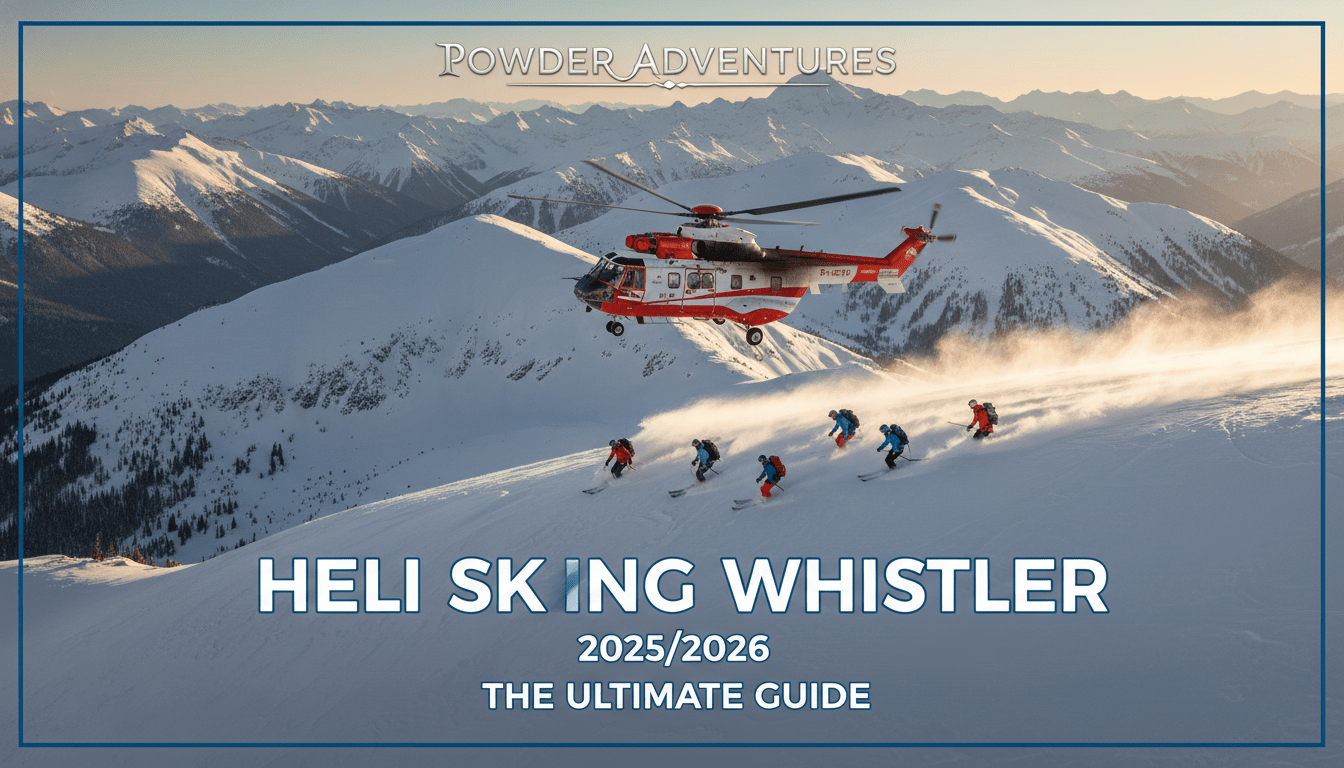


Heli Skiing Whistler: 2025/2026 Ultimate Guide
Heli skiing in Whistler for the 2025/2026 season offers three distinct experiences: the resort-integrated convenience of Whistler Heli-Skiing (best for Epic Pass holders), the boutique small-group focus of Coast Range Heli-Skiing, and the rugged, steep terrain of Phantom Heli-Skiing. Prices typically start around $1,720 CAD for a day package, with the prime season running from early February to mid-March.
Quick Navigation
- Top Whistler Heli Skiing Operators Compared
- 2025/2026 Packages & Pricing Breakdown
- The “Classic” Experience (3-4 Runs)
- The “Elite” Experience (6+ Runs)
- When is the Best Time to Heli Ski in Whistler?
- Do You Have What It Takes? Ability & Fitness
- The “Intermediate” Test
- Planning Your Logistics
- Gear: Bring vs. Rent
- Insurance is Non-Negotiable
- Whistler vs. Other Regions
- Frequently Asked Questions
For many skiers, standing atop a pristine glacier in the Coast Mountains is the pinnacle of winter sports. Unlike the crowded lift lines of the resort, heli skiing opens up over 432,000 acres of untracked powder. This guide cuts through the marketing noise to help you choose the right operator, package, and timing for your budget and ability level.
Top Whistler Heli Skiing Operators Compared
Choosing the right operator depends entirely on your group size, budget, and desire for “steeps” versus “cruisy” glacier runs. Use this interactive comparison to find your match.
Whistler Heli-Skiing (The Resort Official)
- Best For: First-timers, Epic Pass holders, and convenience.
- Aircraft: Bell 212 (Larger groups of up to 10 guests).
- Terrain: 432,000 acres (approx. 50x the size of the resort).
- 2025/26 Perk: 20% discount for Epic Pass holders.
- Vibe: Efficient, safety-focused, classic glacier skiing.
Coast Range Heli-Skiing (The Boutique Choice)
- Best For: Small groups seeking a private feel without the private price tag.
- Aircraft: A-Star B2 or Bell 407 (Small groups of 4-5).
- Terrain: 200,000 acres across 15 zones including Mt. Currie.
- Key Feature: “Bespoke” daily itineraries flown by Blackcomb Helicopters.
- Vibe: Intimate, flexible, and faster-paced.
Phantom Heli-Skiing (The Steep & Deep)
- Best For: Advanced skiers wanting steeper, rowdier terrain.
- Location: Based in Squamish (transfers from Whistler available).
- Terrain: 247,000 acres in the Tantalus and Ashlu ranges.
- Pricing: Competitive 4-run and 6-run packages often starting near ~$1,380 CAD.
- Vibe: Rugged, authentic backcountry, “powder purist” focus.
Never book your heli trip for your first day in Whistler. Schedule it for day 2 or 3. This gives your legs time to warm up on the resort’s advanced terrain and allows a buffer window to reschedule if weather grounds the helicopters on your original date.
Heli Skiing Whistler Operators & Resources
- Coast Range Heli-Skiing – Boutique small groups & Mt. Currie terrain.
- Phantom Heli-Skiing – Steep terrain in Tantalus & Ashlu ranges.
- Avalanche Canada – Safety forecasts & conditions.
- Blackcomb Helicopters – Gear & aviation expertise.
- World Nomads – Adventure sports insurance.
2025/2026 Packages & Pricing Breakdown
Pricing for the 2025/2026 season reflects the high demand and operational costs of aviation fuel. Most operators now use a “base runs + extra runs” model.
The “Classic” Experience (3-4 Runs)
Designed for strong intermediates. You don’t need to be an expert, but you must be comfortable on blue/black resort runs. These packages usually use the larger Bell 212 helicopters.
- Estimated Cost: $1,500 – $1,800 CAD per person.
- Vertical: Approx. 6,000 – 10,000 ft.
- Includes: Lunch, avalanche safety gear, guide, and powder skis/board.
The “Elite” Experience (6+ Runs)
For skiers who want to maximize vertical. These groups move faster and often use smaller A-Star helicopters, allowing access to tighter landing zones and more technical terrain.
- Estimated Cost: $1,900 – $2,400 CAD per person.
- Vertical: Approx. 10,000 – 15,000 ft.
- Pace: Fast. Minimal stopping for photos until lunch.
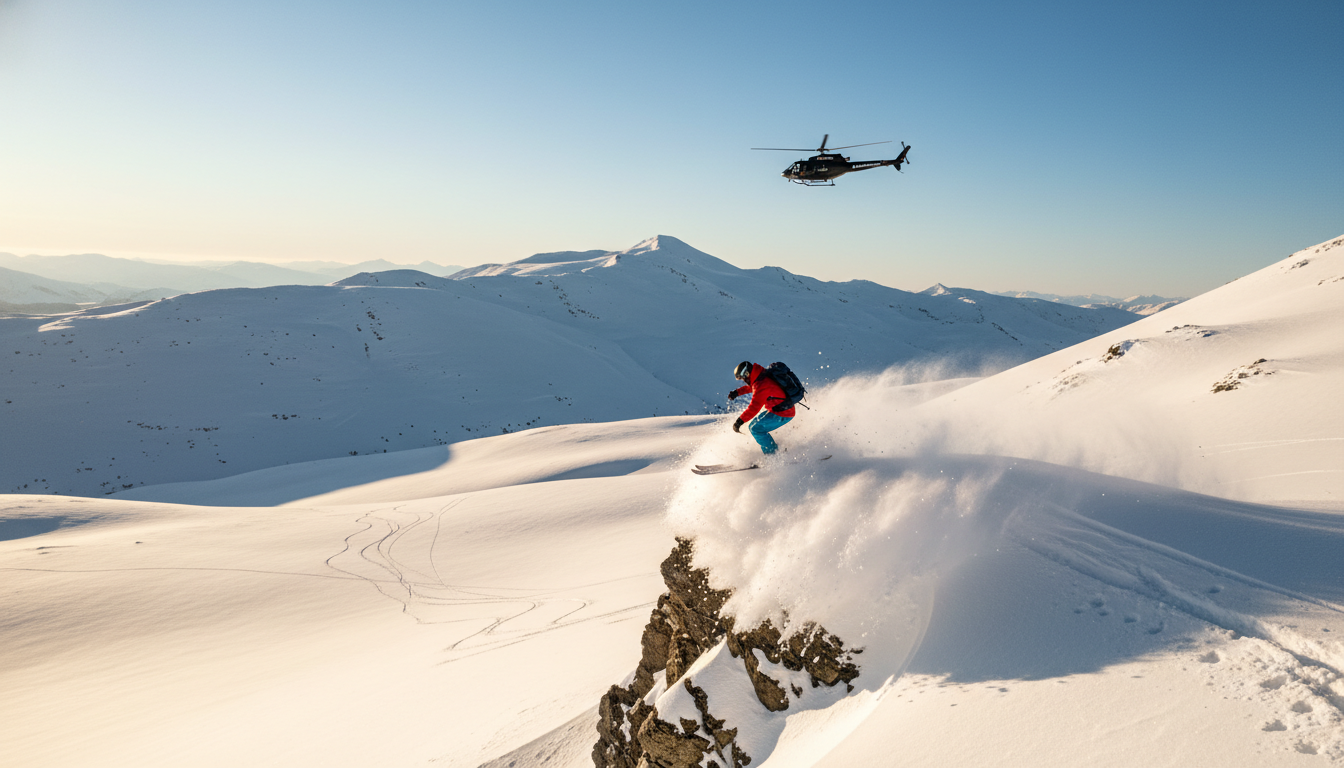
When is the Best Time to Heli Ski in Whistler?
While the season runs from December to April, conditions vary wildly. Use this seasonal breakdown to plan your trip.
Best Time to Go
February to Mid-March is the “Goldilocks” window. You get the deep snow base accumulated from winter storms combined with slightly longer days and more stable flying weather. January offers the deepest powder but has higher risk of “down days” due to storms. April offers incredible “corn snow” and glacier skiing with high probability of bluebird skies.
If you are visiting earlier in the season, check out our guide on the best time to visit Canadian mountain resorts for a broader weather perspective.
Do You Have What It Takes? Ability & Fitness
A common myth is that you need to be jumping off cliffs to go heli skiing. In reality, modern “fat” powder skis make floating through deep snow accessible to strong intermediates.
The “Intermediate” Test
If you can confidently ski ungroomed blue runs and black diamonds at Whistler Blackcomb (like the bowls off Peak Chair or 7th Heaven), you are ready for the introductory packages. If you struggle in powder or find yourself exhausted after two runs in the resort’s advanced terrain, you should invest in a lesson before booking a heli seat.
Don’t let your ego write a check your legs can’t cash. If you book an “Expert” small-group package but can’t keep up, the guide may have to restrict the terrain for the whole group. Be honest about your fitness level—the guides will find you the best snow for your ability.
Planning Your Logistics
Gear: Bring vs. Rent
Leave your carving skis at home. Heli skiing requires wide skis (105mm+ underfoot) or a powder-specific snowboard.
- Provided: Almost all packages include high-performance powder skis and poles. Snowboarders should check if boards are included or if they need to rent from a village shop.
- Safety: Avalanche transceivers, shovels, probes, and often airbag backpacks are provided and mandatory.
- Clothing: Dress in layers. You will be warm while skiing but the wind chill near the helicopter and on peaks is significant.
Insurance is Non-Negotiable
Heli skiing is weather-dependent. If it’s too cloudy or windy to fly, operators will cancel. Most offer a refund or a credit for a future trip, but if you cancel last minute, you lose your money. Always purchase comprehensive travel insurance that covers adventure sports.
Whistler vs. Other Regions
Whistler is unique because you can stay in a world-class luxury village and fly out for the day. In contrast, many BC operations are remote lodges requiring a week-long commitment. If you are comparing destinations, read our Whistler vs. Banff comparison to see how the overall resort experiences stack up.
Frequently Asked Questions
Why Choose Small Group vs. Large Group?
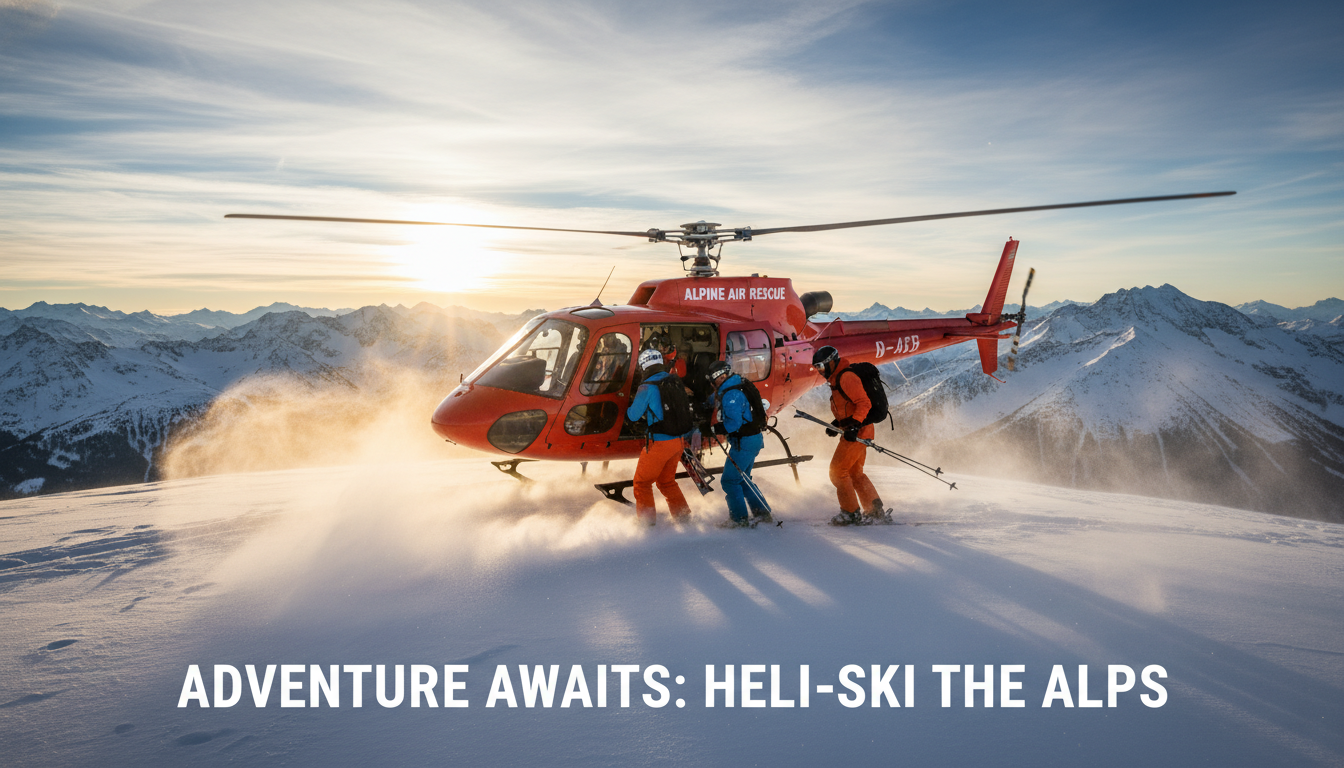
Large Groups (Bell 212): More stable in flight, social atmosphere, and generally lower price point. Great for mixed-ability groups.
Small Groups (A-Star): Agile, faster loading/unloading, and access to tighter landing zones on peaks that larger helicopters can’t reach. Ideal for maximizing vertical feet.
Is there an age limit for heli skiing?
Generally, the minimum age is 12-14 years old, depending on the operator. However, the child must possess the physical strength and skiing ability to handle deep snow and backcountry conditions. Kids pay full adult price.
What happens if we can’t fly?
If the pilot calls a “down day” due to weather, you are typically offered a full refund or the option to reschedule. This is why booking early in your trip is crucial. Operators like Whistler Heli-Skiing often have priority lift line privileges at the resort as a consolation backup plan.
Final Verdict: Is It Worth It?
Heli skiing in Whistler is an investment, with days costing as much as a week’s worth of lift tickets. However, the return on investment is memories of runs that are longer, deeper, and more scenic than anything accessible by a chairlift. For 2025/2026, if you have an Epic Pass, Whistler Heli-Skiing offers unbeatable value. For those seeking a purist’s adventure, Coast Range or Phantom provide the intimacy of a remote lodge experience without leaving the village.




Great guide! One small thing to add for 2026 travelers: if you’re staying at the Fairmont, they now have a dedicated drying room specifically for heli-skiing gear so you don’t have to clutter your suite with wet liners and shells.
I am nervous about my first trip. This post made me feel better. First, I will check the weather. Then, I will book the intro package.